
When it comes to combating hair loss, people are willing to try almost anything. From advanced medical treatments to age-old remedies, the quest for a full head of hair knows no bounds. Among the myriad of solutions claiming to help hair regrowth, using acupuncture for hair loss stands out as one of the more unconventional methods.
But does it actually work, or is it just a prickly proposition? As a seasoned hair loss product reviewer, I’m here to dive into the world of acupuncture for hair loss and uncover whether it truly delivers results or if it's just another fad.
The Basics of Acupuncture for Hair Loss
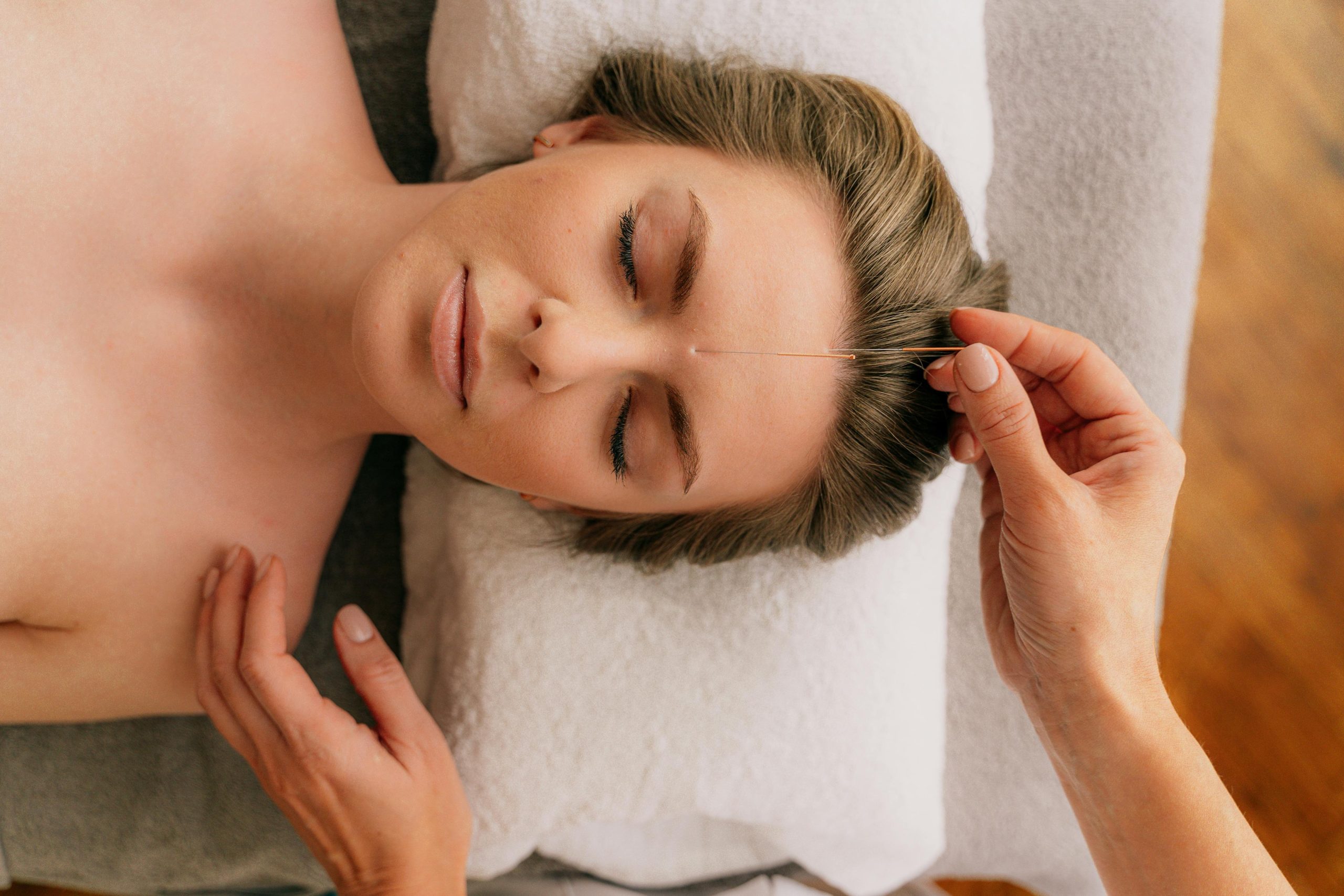
Acupuncture is a traditional Chinese medicine practice that involves inserting thin needles into specific points on the body to promote healing and balance.
Proponents claim that it can stimulate blood flow to the scalp, enhance nutrient delivery to hair follicles, and even regulate hormone levels that affect hair growth. On paper, these claims sound promising. However, as we dig deeper, the evidence supporting acupuncture for hair loss becomes less convincing.
Lack of Scientific Evidence
One of the primary concerns with acupuncture for hair loss is the lack of robust scientific evidence. While some small-scale studies and anecdotal reports suggest potential benefits, there is no substantial body of research confirming its effectiveness.
Unlike FDA-approved treatments such as minoxidil or finasteride, acupuncture lacks the rigorous clinical trials that validate its efficacy.
A 2023 review highlighted the scarcity of high-quality studies on acupuncture for hair loss. The review concluded that while some studies showed marginal improvement, the overall evidence was inconclusive and insufficient to recommend acupuncture as a reliable treatment for hair loss.
Questionable Mechanisms
The proposed mechanisms by which acupuncture supposedly promotes hair growth are also questionable. The idea that needle insertion can significantly increase blood flow to the scalp or alter hormone levels lacks solid scientific backing.
Hair loss is a complex condition influenced by genetics, hormones, and various environmental factors. Simplifying it to a matter of blood flow and energy balance undermines the intricate nature of hair follicle biology.
Placebo Effect
The placebo effect cannot be overlooked when considering acupuncture for hair loss. Many individuals who report positive outcomes may be experiencing a placebo response—where the belief in the treatment's efficacy leads to perceived improvements.
This psychological factor is powerful and can often mask the true effectiveness of the treatment.
Cost and Time Commitment
Acupuncture is not a one-time fix. It requires multiple sessions, often over an extended period, to potentially see any results. This commitment can be costly and time-consuming.
With each session ranging from $50 to $150 or more, the expenses add up quickly, making it an impractical option for many people.
Alternative Treatments
For those serious about addressing hair loss, there are more reliable and scientifically backed treatments available. Minoxidil (Rogaine), Profollica, and finasteride (Propecia) are proven to promote hair growth and slow down hair loss.
These methods have undergone extensive research and provide more predictable outcomes than acupuncture, though some are riskier than others.
| Aspect | Acupuncture | Proven Treatments (e.g., Minoxidil, Finasteride) | Profollica |
|---|---|---|---|
| Scientific Evidence | Limited and inconclusive | Extensive and robust | High, with growing supporting studies |
| Mechanism | Questionable | Well-understood | Natural ingredients targeting hair growth, DHT blocking |
| Placebo Effect | High potential | Lower potential | Possible, but less likely |
| Cost | $50 – $150 per session | Moderate to High, and can be even more expensive long-term | Comparatively low |
| Time Commitment | Multiple sessions over an extended period | Daily topical application | Daily oral supplement and topical treatment |
| FDA Approval | None | Yes | Made in the US in an FDA-registered facility |
Profollica: A Better Alternative to Acupuncture for Hair Loss
When comparing hair loss treatments, the supplement and topical treatment combo Profollica emerges as a superior alternative to acupuncture, offering a blend of scientifically supported natural ingredients that target hair growth more effectively.
Profollica is formulated with key natural ingredients like:
- biotin
- natural DHT blockers
- herbal extracts, which are known for their positive impact on hair health.
These ingredients work synergistically to promote the growth of strong, healthy hair, improve scalp circulation, and reduce hair thinning.

Unlike acupuncture, which lacks robust scientific evidence and relies on the questionable mechanism of needle insertion to stimulate hair growth, Profollica provides a more reliable, research-backed approach to tackling hair loss.
Profollica offers a more convenient and cost-effective solution compared to acupuncture. Acupuncture requires multiple sessions over an extended period, with each session costing between $50 to $150, making it a time-consuming and expensive commitment.
In contrast, Profollica is a topical treatment and oral supplement combo that fits easily into daily routines, requiring only a simple, consistent intake to achieve results. Priced affordably and lower than competitors, Profollica provides a more accessible and practical option for people seeking to restore their hair without the high costs and time demands associated with acupuncture treatments.
This combination of effectiveness, convenience, and affordability makes Profollica a better choice for those serious about addressing their hair loss concerns.
Click here for my full Profollica review
The Verdict
While acupuncture for hair loss may seem appealing due to its natural and holistic approach, the lack of scientific evidence and questionable mechanisms make it a less-than-reliable option.
The potential benefits are overshadowed by the placebo effect and the substantial time and financial investment required. For those serious about combating hair loss, sticking to treatments with proven efficacy and scientific backing is a wiser choice.
As always, consult with a healthcare professional before starting any new treatment for hair loss. Your time and money are better spent on solutions that have a track record of success rather than on the prickly proposition of acupuncture.